
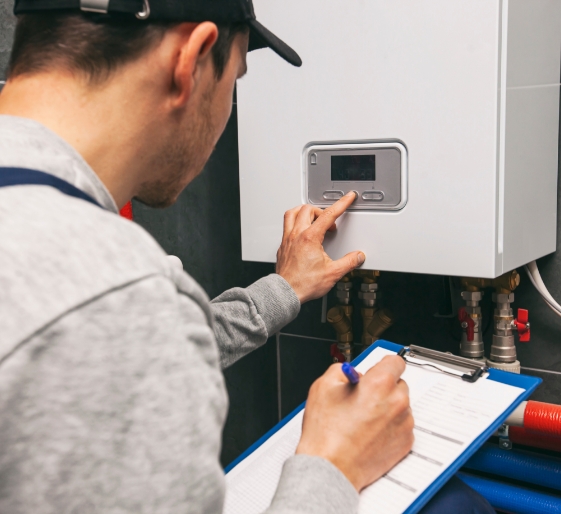
We’ve all heard the saying, “An apple a day keeps the doctor away.” You know what keeps furnace breakdowns at bay? Routine maintenance! It may not roll off the tongue quite as well, but it’s every bit as important.
A little care now saves you from chilly nights, costly repairs, and bigger bills later. In this blog from Honest Abe’s Heating and Cooling, we’ll walk through a complete furnace maintenance checklist—including the simple things you can do yourself and what a professional HVAC technician has to handle.
Why Furnace Maintenance Is Important
If you’ve ever had your furnace stop working on a freezing-cold day, you already know how important maintenance really is. Keeping your heating system in good shape isn’t just about comfort—it’s about preventing those “why now?” moments when your home suddenly goes cold. A few hours of care each year can make all the difference between a reliable, efficient system and one that lets you down when you need it most.
Here are some of the many benefits of regular furnace maintenance:
Keeps Your Furnace Running Efficiently
Routine maintenance clears away dust, dirt particles, and buildup that block airflow. When the furnace is clean, your heating system doesn’t have to work as hard to push warm air through your home. That can cut energy costs by as much as 10–15% each heating season, helping your furnace heat more effectively while lowering your monthly bills.
Prevents Costly Repairs
Most major repairs start with something small—a loose electrical connection, a dirty air filter, or a bad flame sensor. When these issues are caught early, they’re typically less expensive to fix. Ignore them too long, and they can lead to more expensive repairs or even a complete breakdown.
Extends Your Furnace’s Lifespan
A well-maintained furnace can easily last 12 to 15+ years. Without care, that number can drop to 10 or even less, especially for older units. By keeping the air flow clear and the furnace components clean, you reduce strain on the system so it can keep heating reliably for years to come.
Protects Your Safety
A professional technician inspects critical areas like the heat exchanger, gas line, and combustion chamber to catch any cracks, leaks, or carbon monoxide risks. Even a small flaw can pose a real danger, so these safety checks are some of the most important parts of your furnace maintenance service.
Keeps Your Warranty Valid
Nearly every furnace manufacturer’s warranty requires annual service from an HVAC professional. Skipping that visit might void your coverage, meaning you could end up paying out of pocket for major repairs that could’ve been prevented with simple, routine maintenance.
When maintenance gets pushed aside, your risk of unexpected problems climbs fast. In fact, studies show that nearly 80% of furnace repairs could have been avoided with regular maintenance. Staying ahead of it isn’t just smart—it’s peace of mind for every cold night.
What Furnace Maintenance Can I Do Myself?
There are a few simple, safe furnace maintenance tasks you can do at home. Think of these as your way of helping your system out between tune-ups—small habits that make a big difference in keeping your furnace cleaner, safer, and more efficient all season long.
- Replace Your Air Filter Regularly: This is the single most important step you can take. Check your furnace filter once a month during the heating season, and swap the old filter out every one to three months—more often if you have pets or notice extra dust around the house.
- Clean Around the Furnace: Your furnace needs breathing room. Keep boxes, storage bins, and cleaning supplies at least a few feet away, and vacuum up dust, pet hair, or cobwebs that gather near the base. This simple step improves supply air circulation and helps prevent debris from being pulled into the return air duct. It also gives you a clear view to spot water leaks, rust, or loose panels early.
- Check and Clean Your Thermostat: Your thermostat is the brain of your HVAC system, and a little attention goes a long way. Gently dust the face and around the vents with a soft cloth, replace the batteries once a year, and make sure it’s set to “heat” mode when the cold season begins. If your home feels too warm or too cool, a dead battery or misreading thermostat could be to blame—not your furnace.
- Inspect and Clean Vents Inside and Out: Walk through your home and make sure all air ducts and registers are open and clear of furniture, rugs, or curtains. Outside, check that your vent pipes or flue pipe aren’t blocked by leaves, ice, or debris. Clear vents help your heating system move warm air efficiently and protect it from overheating or poor airflow issues.
These simple DIY steps don’t take much time, but they go a long way toward keeping your furnace functioning correctly.
Furnace Maintenance Checklist for HVAC Technicians
The steps you can handle at home are a great start, but they don’t replace the need for a professional furnace inspection and tune-up. HVAC technicians like us have the tools and training to go deeper, cleaning and testing parts that homeowners shouldn’t handle on their own.
But what exactly are we doing during a tune-up? How often do you really need these services? And how long does it take? Here’s a look at our furnace maintenance checklist with all of these answers:
1. Inspecting and Cleaning the Burner Assembly and Combustion Chamber
This is where the magic—and the heat—happens. The technician removes the burner assembly and clears away soot or dirt particles that can affect the burner flames. A dirty burner can cause poor combustion, which wastes fuel and increases energy costs. Cleaning the combustion chamber ensures your natural gas burns cleanly and efficiently, producing steady warm air without risk of a gas leak.
2. Checking the Heat Exchanger
The heat exchanger is one of the most critical parts of your furnace system. It separates the hot gases from the breathable air moving through your home. Over time, heat and metal stress can cause cracks—an invisible danger that could lead to carbon monoxide entering your indoor air. Your technician uses specialized equipment to inspect the exchanger for damage, ensuring a safe operation.
3. Testing Electrical Connections and the Blower Assembly
Loose wires or worn electrical components can lead to short cycling, poor airflow, or a system that simply won’t start. The technician tightens all electrical connections, inspects the blower motor, lubricates bearings, and cleans fan blades to keep the system running smoothly. This not only helps maintain energy efficiency but also prevents strain that could shorten your furnace’s lifespan.
4. Inspecting the Gas Valve, Pilot Light, and Ignition System
Your gas valve, pilot light, and ignition system all work together to safely start and stop your furnace. Gas furnace maintenance is especially important because these components deal directly with fuel and combustion. During service, a technician checks each part to ensure quick ignition, steady fuel pressure, and safe, efficient operation. If you have an older furnace with a standing pilot light, they’ll make sure the flame burns steady and blue—not yellow or flickering, which can indicate a gas line or airflow problem that needs attention.
5. Examining the Flue Pipe, Flame Sensor, and Airflow System
The flue pipe carries combustion gases safely outside your home, while the flame sensor verifies that the burners light properly. If either of these components gets dirty or blocked, your furnace could shut down unexpectedly or vent gases indoors. The technician cleans the flame sensor, checks the flue for corrosion or blockages, and ensures return air ducts and vents allow smooth airflow throughout your home.
A furnace maintenance service like this typically takes about an hour. Most HVAC professionals recommend a furnace tune-up once a year in the early fall before it gets colder. If you miss this window, it’s still worth scheduling!
Do You Need a Furnace Tune-Up?
If you haven’t had furnace maintenance in a few years—or ever—it’s a good idea to make an appointment. Furnaces sometimes also send a few warning signs when they need help. If you notice any of these issues, let us know:
- Unusual Noises or Strange Odors: Strange noises and odors are big red flags. If you hear rattling, squealing, or notice a burning or musty smell, it’s time to schedule a professional inspection before the problem gets worse.
- Poor or Uneven Airflow: If some rooms stay chilly while others overheat, your air ducts or blower may need to be inspected and cleaned.
- Short Cycling: When your furnace turns on and off frequently, it’s not normal. It could be overheating or just clogged with a dirty filter. Either way, a furnace tune-up will fix it.
- Higher Energy Bills: A sudden spike in energy costs often means your system’s efficiency has started to drop, likely due to dirt buildup, restricted airflow, or worn components that need to be replaced.
Keep in mind that older units often need more heating maintenance. And don’t forget—your cooling system needs to be cleaned regularly and tuned up once a year, too!
Schedule Your Furnace Maintenance in Lawrence With Honest Abe’s
With years of experience serving neighborhoods across Lawrence—from Fort Ben and Geist to Indian Lake and Fall Creek—Honest Abe’s Heating and Cooling is the team homeowners trust for professional maintenance that keeps your heating system running efficiently.
Our certified technicians help your furnace last longer, operate safely, and stay less expensive to maintain over the years. We believe in honest work with honest pricing, always! Schedule your furnace maintenance in Lawrence, IN, today and stay warm all winter long with help from Honest Abe’s.